

Affordable custom website development starts with a clear scope. A low quote is useful only when it covers the work your business needs and the costs you will face after launch. Compare proposals against the same requirements before choosing a provider.
This guide explains how to define a manageable project, compare pricing models, and review a developer’s process. It also covers ownership, maintenance, and practical acceptance checks so you can judge value beyond the initial design.
Define affordable custom website development needs
First, describe the people your site serves and the tasks it must support. A service business may need inquiries and location information. A retailer may need product management and a dependable purchase journey.
Separate required features from optional ideas. Write down the pages, forms, integrations, and content you need for launch. Then identify what can wait for a later phase.
Also decide who supplies text, images, and product information. Content work can affect the schedule even when the design is simple. Include time for review and approval rather than assuming the developer will fill every gap.
Compare development proposals on equal terms
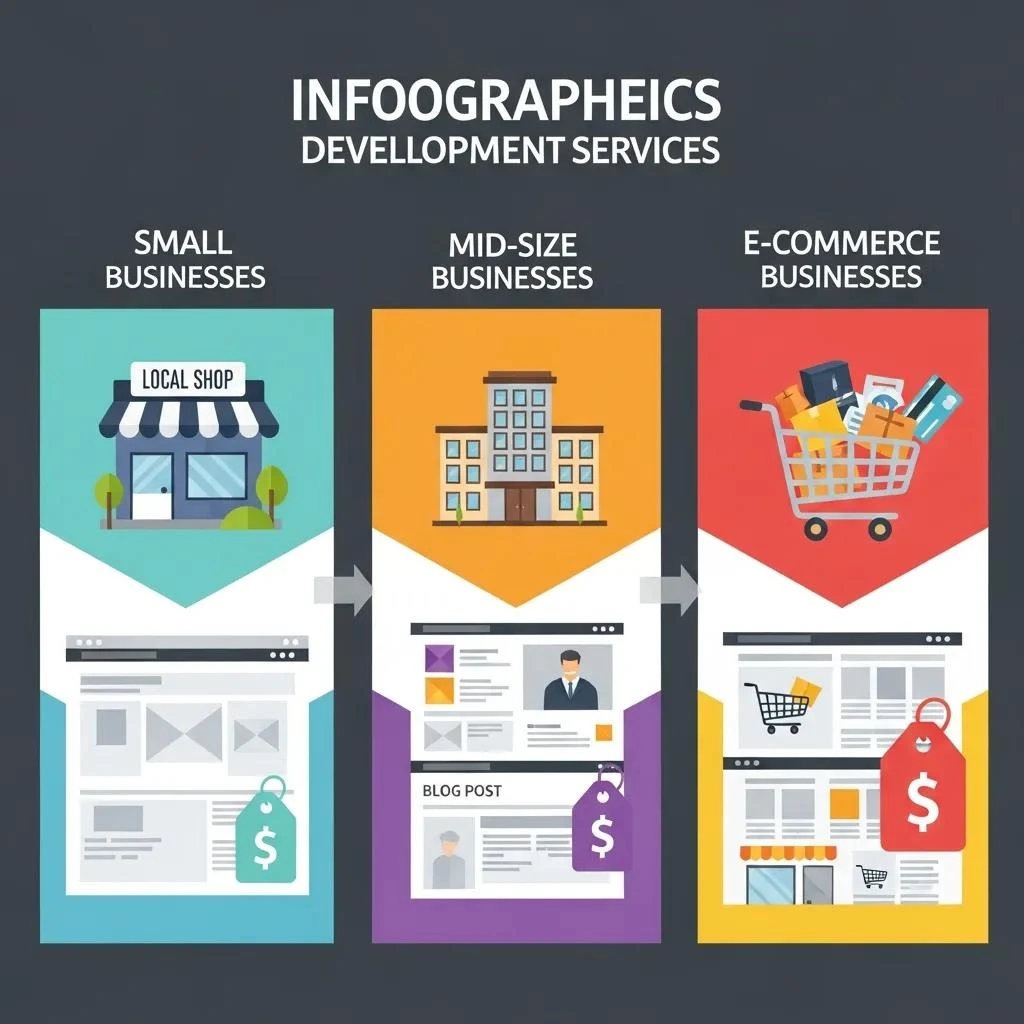
For affordable website development, send each provider the same brief. Ask for an itemized explanation of what is included and excluded. A total price without a clear scope makes comparison difficult.
Review the number of page layouts, revision rounds, and integrations. Check whether migration, content entry, training, and launch support appear in the proposal. Ask how the provider handles work outside the agreed scope.
- List required deliverables and responsibilities.
- Identify optional features separately.
- Confirm review stages and approval dates.
- Ask how changes affect cost and timing.
There is no single price that fits every custom project. Complexity, existing content, integrations, and support needs all affect the work. Use written quotes for your actual requirements instead of treating a broad online range as a promise.
Choose affordable development pricing
A fixed project price can suit a well-defined scope. However, confirm the assumptions behind it and the process for approving changes. The agreement should explain what happens if requirements expand.
Hourly work can suit discovery or evolving requirements. Ask for estimates, progress reports, and a spending approval process. This helps you understand the work before costs move beyond your plan.
For affordable development, an ongoing service arrangement may cover maintenance or improvements. Check the included tasks, response expectations, and treatment of unused time. Keep project delivery and ongoing support clear in the proposal.
Review the developer’s relevant experience

Affordable custom website development still needs a reliable process. Ask for examples with similar content or functionality. A visually impressive portfolio alone does not show whether the developer solved a problem like yours.
Discuss one example in detail. Ask what the provider built, which constraints mattered, and how the result was tested. If a case study claims a business improvement, ask how it was measured and what else changed.
Also notice how clearly the provider answers questions. You need to understand decisions and maintain the site after launch. Agree on a main contact, regular updates, and a place to record feedback.
Include usability in affordable website development
Define the tasks visitors should complete before agreeing that the site is finished. For example, someone should be able to find a service and send an inquiry on a phone. Test the full route rather than approving only screenshots.
Ask how the provider reviews responsive layouts, forms, keyboard access, and error messages. These checks need clear responsibility and scope. A theme or plugin label alone does not verify the complete website.
As part of affordable website development, review important page titles, descriptions, headings, and links. They should explain the actual content accurately. Avoid promises that a new design will automatically produce a particular ranking or sales result.
Plan affordable development and ongoing care
Affordable development includes the costs of keeping the site useful. Identify hosting, domain renewal, software licenses, backups, updates, and support. Ask which costs you pay directly and which the provider manages.
Confirm who controls the domain, hosting account, website files, and administrative access. Also ask what happens if you change providers. Clear handover expectations can prevent avoidable disruption later.
For a WordPress project, use WordPress documentation as a platform reference. Ask the developer for instructions specific to your setup, including how to edit content and request help safely.
Make the final choice with a written checklist
Compare scope, process, communication, ownership, and ongoing costs together. Choose a proposal that explains how the provider will deliver your essential tasks within your budget. Keep unresolved questions in writing before work begins.
Finally, plan a review after launch. Track useful inquiries, errors, and visitor feedback, then prioritize the next improvement. Our digital marketing services can help connect your new website with a broader plan based on your business needs.
