

Social media management pricing depends on the work your business needs each month. The number of channels matters, but so do content production, response coverage, approvals, and reporting. Compare the deliverables in a package before judging its monthly fee.
A clear scope helps you choose support that fits your team and budget. It also makes it easier to identify extra charges before work begins. Use the questions below to build a brief and compare proposals fairly.
What drives social media management pricing?
Start with the content your audience needs. Writing short posts from existing material takes different resources from planning a video shoot. A package should state who creates the copy, images, video, captions, and other assets.
Next, confirm the publishing volume for each channel. A single concept may need several versions to suit different formats. Ask whether the quote includes those changes or only the same post shared across accounts.
- Channel coverage: Which accounts will the provider manage?
- Content volume: How many posts and formats does the monthly fee include?
- Production: Who supplies photos, video, design, and source material?
- Community care: Who handles comments and messages, and during which hours?
- Reporting: What will the report explain, and will you have a review meeting?
These details make the price meaningful. Two providers can quote the same monthly fee while offering very different levels of work.
Separate management fees from ad spend
The management fee pays for agreed services. Advertising spend pays the platform to distribute ads. Keep those amounts separate in your budget and ask whether paid campaign setup and ongoing optimization cost extra.
Also list software subscriptions, travel, photo shoots, and licensed assets. Some providers include these items; others bill them separately. Confirm how the provider will seek approval before incurring additional expenses.
If a proposal bundles several services together, request a breakdown. You should be able to see what happens to the total when you reduce publishing volume, add a channel, or pause advertising.
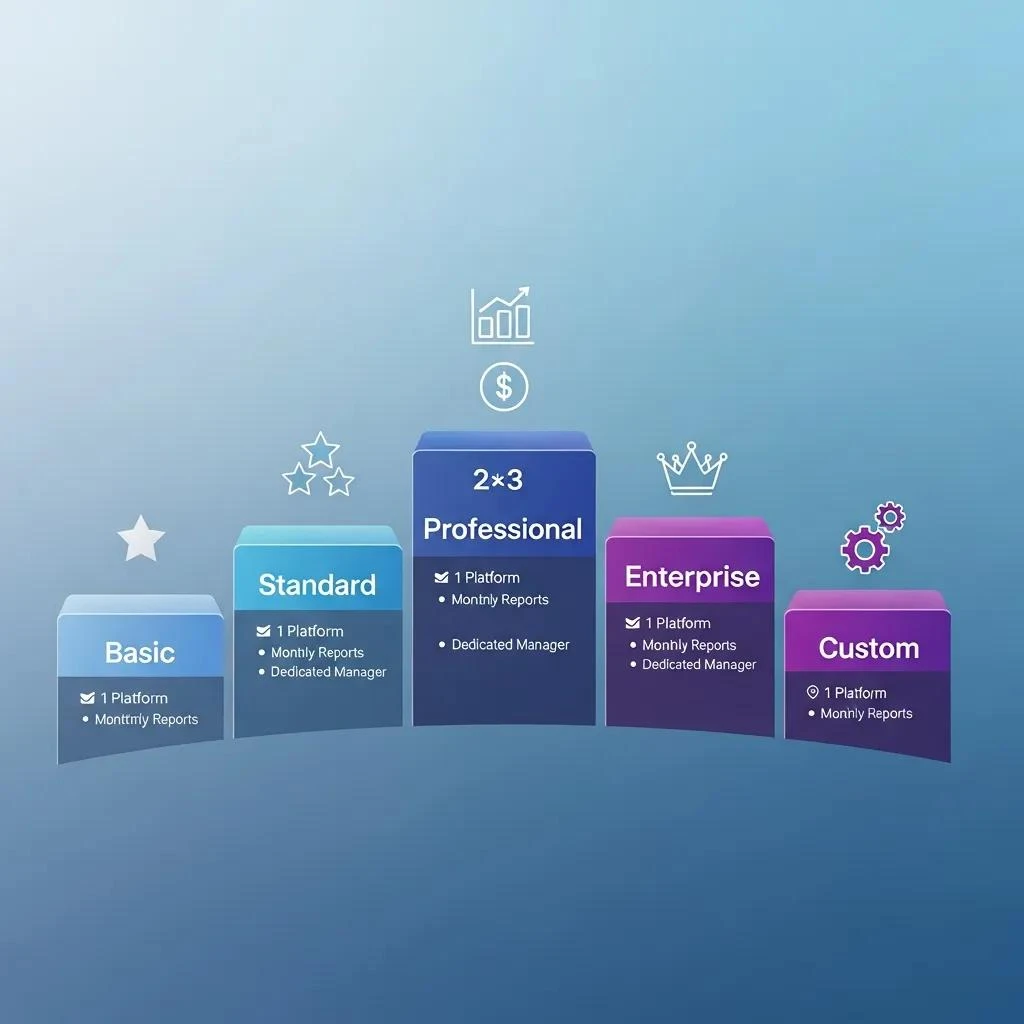
Compare packages by deliverables
A monthly retainer can provide a predictable scope. Project pricing may suit a launch or a defined content series. Hourly support can work for occasional tasks, provided you agree on an estimate and spending limit.
However, the pricing model alone does not establish value. Ask what the provider will deliver and how you will approve the work. Clarify whether unused time or content carries into the next month.
Before signing, review the notice period, cancellation terms, and process for changing the package. Also confirm whether your business retains access to the accounts and final creative assets when the engagement ends.
Account for your team’s contribution
An agency and an internal team have different cost structures. Avoid assuming that either option is always cheaper. Compare the complete workload, including planning, production, publishing, responses, and analysis.
For an internal team, consider staff time, tools, training, and coverage during leave. For an agency, consider the fee and the time your team still needs for briefing, approvals, and supplying material.
A shared approach may fit your business. For example, staff can capture photos and answer detailed product questions while a provider handles editing and scheduling. Document those responsibilities so important tasks do not fall between teams.
Build a practical scope example
Imagine a business that needs content for two channels and already has a library of useful photos. Its brief could request a monthly content plan, a defined number of posts per channel, one review round, and a monthly report.
This is a scope example, not an MWD package or price promise. The final quote would depend on the work involved. Adding video production or evening message coverage would change the resources required.
Next, define the approval process. Name one decision maker, set a feedback deadline, and explain what happens if content cannot go live on time. A reliable workflow can be just as useful as a larger publishing allowance.
Measure value beyond likes and reach
Reach and engagement can help you understand attention and response. They do not, by themselves, measure financial return. Connect reports with the business goal you agreed at the start.
For example, you might track website enquiries, qualified leads, purchases, or customer support response times. Use consistent definitions and note the limits of attribution. A customer may encounter several channels before contacting your business.
When reviewing social media management pricing, ask what you learned and what will change next month. A useful report should explain the results and recommend a focused action, rather than simply list activity.
Prepare a brief before requesting a quote
List your goals, current accounts, available assets, preferred formats, and internal resources. Then identify the tasks you need help with first. This allows providers to recommend a realistic scope.
Finally, request a written proposal that separates services, advertising spend, and optional extras. MWD Web Design can help you discuss social media and digital marketing support around your business needs. A clear brief makes social media management pricing easier to understand and compare.

About the Author
Patrick Mabarak is a seasoned digital marketing strategist and web design expert with over a decade of experience helping businesses enhance their online presence. Patrick specializes in integrating SEO best practices with user centered design to create websites that perform well in both search rankings and user engagement.
Learn more at patrickmabarak.com
