
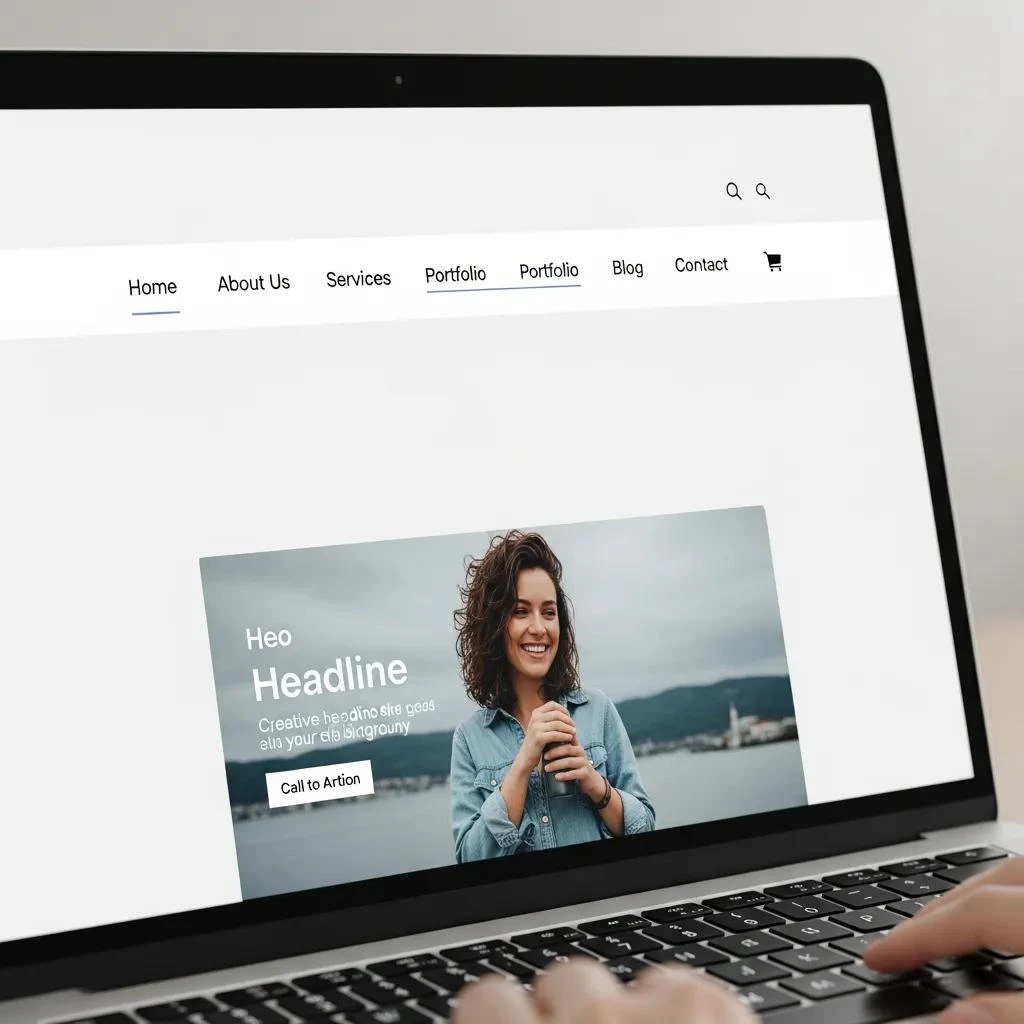
How to Improve Your Website Navigation: Best Practices for Enhanced Usability and User Experience
Effective website navigation is crucial for enhancing user experience and ensuring that visitors can easily find the information they need. A well-structured navigation system not only improves usability but also contributes to the overall success of a website. In this article, we will explore best practices for optimizing website navigation, focusing on key design principles, effective user testing methods, and common pitfalls to avoid. By understanding these elements, businesses can create a seamless browsing experience that keeps users engaged and encourages them to return.
The continuous evolution of digital environments highlights the critical need for strategies that prioritize user experience and engagement.
Enhancing User Experience & Engagement in Digital Environments
This chapter delves into the transformative evolution of User Experience (UX) in libraries, exploring key strategies and trends for enhancing UX and user engagement in the digital age. It traces the journey of libraries from physical spaces focused on collections to user-centric digital environments, highlighting the increasing importance of personalized services enabled by Machine Learning (ML), interactive learning technologies, accessibility considerations, participatory design approaches, and the power of data analytics. Ultimately, the chapter argues that continuously shaping libraries around user needs is paramount for their enduring relevance. This necessitates a multifaceted approach combining user-centered design methodologies, participatory strategies, inclusive practices, and an unwavering commitment to innovation and improvement.
User experience and engagement in smart digital libraries, P Meesad, 2024
Key Design Principles
To create an effective website navigation system, several key design principles should be followed. These principles ensure that users can navigate the site intuitively and efficiently.
- Simplicity in Navigation Menus: Keep navigation menus straightforward and uncluttered. A simple design helps users quickly understand their options without feeling overwhelmed.
- Logical Structure of Content: Organize content in a logical hierarchy, making it easy for users to find related information. This structure should reflect the way users think about the content.
- Consistency Across Pages: Maintain a consistent navigation style throughout the website. This consistency helps users feel more comfortable and reduces confusion as they move from page to page.
By adhering to these design principles, websites can significantly enhance their usability and user experience.
Further research underscores the importance of a user-centered approach, identifying key components for effective digital navigation.
User-Centered Experience & Navigation Design Principles
This research is based on the design thinking of experience design and navigation design in the field of digital media. The designer’s thinking can be user-centered through a well-designed overall environment in which the designer shapes an experience-worthy environment for the user to tour. The purpose of this research is to summarize a set of effective design principles through the grounded theory research method. The research results summarize three major directions: (1.) information composition; (2.) interactive performance; and (3.) interface presentation.
Design Principles of Experience Design and Navigation Design for Digital Media Environment, 2018
Effective User Testing Methods

User testing is essential for evaluating the effectiveness of website navigation. Implementing various testing methods can provide valuable insights into how users interact with the site.
- Heatmaps to Track User Clicks: Heatmaps visually represent where users click on a page, helping identify popular navigation elements and areas that may need improvement.
- Session Recordings for Behavior Analysis: Recording user sessions allows businesses to observe how users navigate the site in real-time, revealing potential obstacles and areas for enhancement.
- Surveys for User Feedback: Gathering direct feedback from users through surveys can provide insights into their experiences and preferences, guiding future navigation improvements.
MWD Web Design, Inc. specializes in web design and digital marketing services that can help businesses implement effective user testing methods to optimize their website navigation.
Common Pitfalls to Avoid
When designing website navigation, it’s important to be aware of common pitfalls that can hinder usability. Avoiding these mistakes can lead to a more effective navigation system.
- Avoiding Confusing Navigation: Complex or unclear navigation can frustrate users and lead to high bounce rates. Ensure that labels are clear and intuitive.
- Preventing Overcrowded Layouts: A cluttered navigation menu can overwhelm users. Limit the number of items in the main menu to maintain clarity.
- Limiting Intrusive Pop-ups: Excessive pop-ups can disrupt the user experience. Use them sparingly and ensure they do not interfere with navigation.
By recognizing and addressing these common pitfalls, businesses can create a more user-friendly navigation experience.
What Are the Key Principles of Effective Website Navigation Design?
Effective website navigation design is guided by several key principles that enhance usability and user experience.
How Does Navigation Structure Influence User Experience and Usability?
The structure of navigation directly impacts user experience by determining how easily users can find information. Clear labels and a logical hierarchy reduce friction in navigation, enhancing usability. For instance, a well-organized menu allows users to quickly locate desired content, leading to a more satisfying browsing experience.
Which Navigation Menu Types Optimize Site Usability?
Different types of navigation menus can optimize site usability. Simple navigation menus, logical navigation orders, and consistent layouts contribute to a seamless user experience. For example, a dropdown menu can effectively categorize content while keeping the main navigation clean and accessible.
How Can You Optimize Website Navigation for Mobile and Responsive Design?
With the increasing use of mobile devices, optimizing website navigation for mobile and responsive design is essential. This ensures that users have a positive experience regardless of the device they are using.
What Are Best Practices for Mobile-Friendly Navigation Menus?

To create mobile-friendly navigation menus, consider the following best practices:
- Keeping the Main Menu Concise: Limit the number of items in the mobile menu to avoid overwhelming users.
- Ensuring Logical Structure: Organize menu items in a way that reflects user priorities and common tasks.
- Implementing Sticky Navigation: Sticky navigation keeps the menu visible as users scroll, making it easier to access at any time.
How Does Responsive Navigation Improve Accessibility and User Engagement?
Responsive navigation enhances accessibility by adapting to different screen sizes and orientations. This adaptability ensures that all users, regardless of their device, can easily navigate the site. Improved accessibility leads to higher user engagement, as visitors are more likely to stay on a site that is easy to use.
What Is the Impact of Navigation on SEO and Digital Marketing Success?
Website navigation plays a significant role in SEO and digital marketing success. A well-structured navigation system can improve search engine rankings and enhance user engagement.
How Does Optimized Navigation Enhance Search Engine Rankings?
Optimized navigation enhances search engine rankings by improving user experience and site crawlability. Search engines favor websites that provide clear pathways for users, as this indicates quality content and usability. A logical navigation structure helps search engines index pages more effectively, leading to better visibility in search results.
How Can Navigation Integration Boost Lead Generation and Conversion Rates?
Effective navigation integration can significantly boost lead generation and conversion rates. A clear and logical navigation structure encourages users to explore the site, while mobile-friendly design ensures accessibility. Engaging content and strategically placed calls-to-action (CTAs) further enhance the likelihood of conversions.
Which Tools and Techniques Help Analyze and Improve Website Navigation?
Analyzing and improving website navigation requires the right tools and techniques. Various methods can provide insights into user behavior and navigation effectiveness.
- User Testing Methods: Conducting user testing allows businesses to gather direct feedback on navigation usability.
- Analytics Tools: Utilizing analytics tools can help track user behavior and identify areas for improvement.
- Heatmaps and Session Recordings: These tools provide visual insights into user interactions, revealing patterns and potential issues.
What Methods Are Effective for Navigation Usability Testing?
Effective methods for navigation usability testing include:
- Conducting User Testing: Engaging real users to navigate the site can uncover usability issues.
- A/B Testing Navigation Layouts: Testing different navigation layouts can help determine which design performs better.
- Using Heatmaps for Analysis: Heatmaps can highlight areas of interest and user engagement, guiding design decisions.
By employing these tools and techniques, businesses can continuously improve their website navigation, leading to enhanced user experiences and better overall performance.
Frequently Asked Questions (FAQ)
Why is website navigation important for user experience?
Website navigation is crucial because it helps users find information quickly and easily, reducing frustration and improving overall satisfaction with the site.
How can I make my website navigation more user-friendly?
Focus on simplicity, logical content structure, and consistency across pages. Use clear labels and avoid overcrowding menus to enhance usability.
What are some effective methods to test website navigation?
Use heatmaps to track clicks, session recordings to observe user behavior, and surveys to gather direct feedback from users.
How does mobile optimization affect website navigation?
Mobile optimization ensures that navigation menus are concise, logically structured, and accessible on smaller screens, improving usability for mobile users.
Can website navigation impact SEO?
Yes, a well-structured navigation system improves site crawlability and user experience, which can positively influence search engine rankings.
What common mistakes should I avoid in website navigation design?
Avoid confusing navigation, overcrowded layouts, and excessive pop-ups that disrupt the user experience.
About the Author
Patrick Mabarak is a seasoned digital marketing strategist and web design expert with over a decade of experience helping businesses enhance their online presence. Patrick specializes in integrating SEO best practices with user centered design to create websites that perform well in both search rankings and user engagement.
Learn more at patrickmabarak.com
