
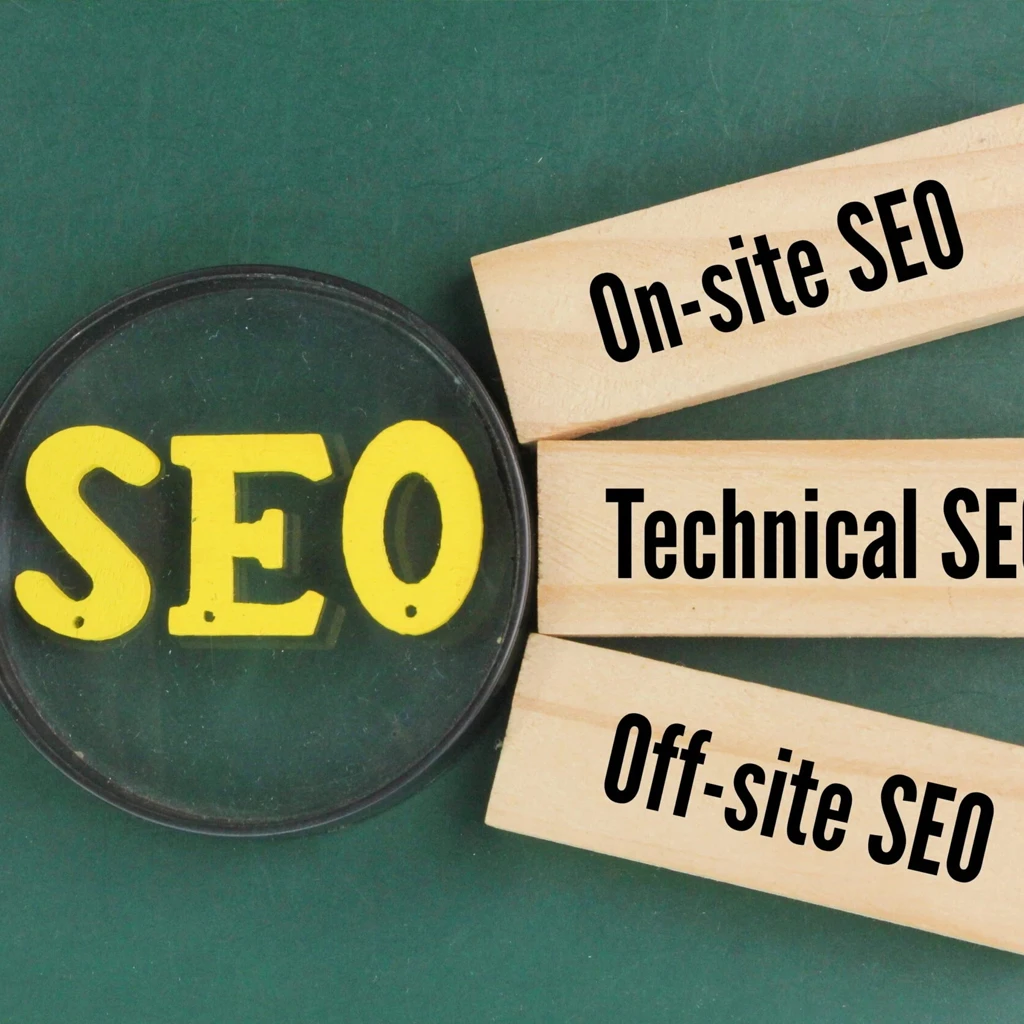
If you’ve ever Googled your own business and wondered why a competitor with a worse product shows up above you, you already understand why SEO matters. The frustrating part is that it’s not always obvious what SEO services actually do — or whether they’re worth the investment.
This guide cuts through the noise. Whether you’re considering hiring an SEO agency for the first time or trying to figure out if your current provider is actually delivering, here’s a plain-English breakdown of what SEO services do, what’s included, how the process works, and what results you can realistically expect.
So, What Do SEO Services Actually Do? (Quick Answer)
SEO services help your website rank higher in search engine results — so more people find your business when they’re searching for what you offer.
More specifically, SEO services:
- Identify the keywords and search queries your target customers are using
- Optimize your website’s content, structure, and code so search engines can understand and rank it
- Build your site’s authority through quality backlinks and brand mentions
- Create and improve content that answers your customers’ questions
- Track rankings, traffic, and conversions — and adjust strategy based on what the data shows
Think of SEO as the long game of digital marketing. Unlike paid ads that stop the moment you stop paying, SEO builds compounding momentum. A page that ranks well today can continue bringing in traffic for months or years.
What Is Included in SEO Services? The Core Components
Not all SEO packages are the same, but reputable SEO services generally cover these core areas:
Keyword Research and Strategy
This is where every good SEO campaign starts. Your SEO provider researches the specific words and phrases your potential customers type into Google — not just broad terms like ‘web design,’ but the more specific, intent-driven phrases like ‘affordable web design for small businesses in Florida.’
Good keyword research factors in:
- Search volume — how many people search for a term monthly
- Keyword difficulty — how hard it is to rank for that term given current competition
- Search intent — whether someone is looking to learn, compare, or buy
- Local relevance — especially important for service-area businesses
The goal isn’t to rank for the most popular keywords. It’s to rank for the keywords most likely to bring in customers who are ready to take action.
On-Page SEO Optimization
On-page SEO is everything that happens directly on your website pages. This includes:
- Optimizing title tags and meta descriptions so your pages look compelling in search results
- Using target keywords naturally within headings, body copy, and image alt text
- Improving internal linking so search engines (and visitors) can navigate your site easily
- Structuring content with proper H1, H2, and H3 heading hierarchies
- Ensuring each page is focused on one primary topic and serves a clear user intent
- On-page SEO is the foundation. Without it, even great content can struggle to rank.
Technical SEO
Technical SEO addresses the behind-the-scenes elements that affect how search engines crawl, index, and rank your site. Common technical issues that hurt rankings include:
- Slow page load speeds (especially on mobile)
- Broken links and crawl errors
- Duplicate content across pages
- Missing or misconfigured XML sitemaps
- Poor mobile responsiveness
- HTTPS/SSL issues
- Thin or unindexed pages
A good SEO provider will run a full technical audit at the start of any engagement and prioritize fixes based on their likely impact on rankings and user experience.
Content Creation and Optimization
Content is the engine that drives organic traffic. SEO services typically include creating or improving blog posts, service pages, landing pages, and other content assets that target specific keywords and answer real questions your audience is asking.
Effective SEO content:
- Targets specific keywords while reading naturally — not stuffed or robotic
- Answers the full question a searcher is asking, not just part of it
- Is longer and more comprehensive than competing pages where it makes sense
- Includes visual elements, lists, and structured formatting for readability
- Is updated regularly to stay current and accurate
Content creation is where a lot of cheap SEO services cut corners. Quality matters enormously — thin, generic content actively hurts your rankings.
Link Building and Off-Page SEO
Search engines treat backlinks — links from other websites pointing to yours — as votes of confidence. The more high-quality, relevant sites that link to you, the more authoritative your site appears in Google’s eyes.
Link building strategies used by reputable SEO services include:
- Guest posting on industry-relevant blogs and publications
- Digital PR to earn mentions and links from news sites
- Local citations — getting your business listed in directories like Yelp, Google Business Profile, and industry-specific sites
- Broken link building — finding broken links on other sites and offering your content as a replacement
- Content marketing — creating genuinely useful resources that others naturally want to link to
Note: be cautious of any SEO provider offering hundreds of cheap backlinks. Low-quality link schemes can trigger Google penalties and do lasting damage to your rankings.
Local SEO
If your business serves customers in a specific geographic area — a city, county, or region — local SEO is essential. It’s what gets you into the Google Maps ‘local pack’ that appears at the top of search results for location-based queries.
Local SEO services typically include:
- Optimizing and maintaining your Google Business Profile
- Building consistent NAP citations (Name, Address, Phone) across directories
- Generating and managing customer reviews
- Creating location-specific landing pages
- Targeting keywords with local modifiers (‘web design St. Petersburg FL’)
- For small and medium businesses, local SEO often delivers the fastest and most direct return on investment.
SEO Reporting and Analytics
Any SEO provider worth hiring will give you regular, transparent reporting. You should be able to see:
- Which keywords you’re ranking for and how positions are changing
- How much organic traffic your site is receiving month over month
- Which pages are driving the most visits and conversions
- How your rankings compare to key competitors
- What work was completed during the reporting period and what’s planned next
Reporting keeps both sides accountable. If an SEO agency can’t show you what they’ve done and how it’s moved the needle, that’s a problem.
How Do SEO Services Work? A Step-by-Step Look
Understanding the process helps you set realistic expectations and have better conversations with your SEO provider. Here’s how a typical SEO engagement unfolds:
Step 1 — The SEO Audit
Before any optimization begins, your SEO provider should conduct a comprehensive audit of your current website. This covers:
- Technical health (site speed, crawlability, indexation)
- On-page SEO across key pages
- Existing keyword rankings and traffic sources
- Backlink profile quality and quantity
- Competitor analysis — who ranks above you and why
The audit reveals where the biggest opportunities are and informs the entire strategy going forward. Skip this step and you’re flying blind.
Step 2 — Strategy Development
With audit findings in hand, your SEO team builds a roadmap tailored to your business goals. This includes deciding:
- Which keywords to target first (based on opportunity, intent, and competition)
- Which pages need to be created, optimized, or consolidated
- What technical fixes take priority
- How aggressive the link-building effort needs to be
- What content assets to develop
A good strategy is specific to your business — not a copy-paste template applied to every client.
Step 3 — On-Page and Technical Fixes
This is the execution phase. Your SEO provider implements the changes identified in the audit and strategy, including:
- Updating meta titles and descriptions
- Fixing technical errors
- Restructuring page content and headings
- Improving site speed and mobile performance
- Cleaning up duplicate content
Some of these changes can produce ranking improvements relatively quickly. Others lay the groundwork for longer-term gains.
Step 4 — Content and Link Building
With the foundation solid, the campaign shifts toward content development and authority building. This is typically an ongoing, monthly effort:
- New blog posts and service pages are published targeting additional keywords
- Existing high-potential pages are expanded and refreshed
- Link outreach campaigns run in the background, earning quality backlinks over time
- Internal linking is continuously improved as new content is added
This phase is where patience pays off. Content and links take time to gain traction, but the results compound.
Step 5 — Tracking, Reporting, and Refining
SEO is never a ‘set it and forget it’ discipline. Rankings fluctuate, search algorithms update, and competitors are always adapting. Your SEO provider should be:
- Monitoring rankings and traffic weekly
- Delivering monthly reports with clear takeaways
- Adjusting strategy based on what’s working and what isn’t
- Keeping you informed about any significant algorithm updates that may affect your site
The best SEO relationships are collaborative — the more context your provider has about your business goals, the better they can align the strategy.
Are SEO Services Worth It for Small Businesses?
The short answer: yes — but only if you work with the right provider, set realistic expectations, and treat it as a medium-to-long-term investment.
Here’s the honest math. If your business earns $5,000 from a new customer, and a well-optimized page brings in five new customers per month, that’s $25,000 in monthly revenue from a single page. Even a modest SEO investment can deliver extraordinary ROI at that scale.
On the other hand, SEO is not a quick fix. If you need leads by next week, paid ads are a better tool. SEO is best thought of as building an asset — one that appreciates over time and eventually works for you even when you’re not actively spending.
What Results Can You Realistically Expect?
Honest SEO providers won’t promise specific rankings — because no one can guarantee Google’s algorithm. What they can commit to:
- Increased organic traffic over time (typically measurable within 3–6 months)
- Improved keyword rankings across targeted terms
- More qualified leads from search
- Better-converting pages as user experience improves
- Greater visibility in local search results (often faster for local SEO)
How Long Does SEO Take to Work?
This is the question every business owner asks. The truthful answer depends on your starting point, your competition, and how aggressively you invest. General benchmarks:
- Months 1–2: Audit, technical fixes, on-page optimization. Early wins possible for low-competition keywords.
- Months 3–4: Content begins gaining traction. Rankings for mid-difficulty keywords start to move.
- Months 6–12: Compounding results. Higher-competition terms start to rank. Traffic and leads increase meaningfully.
- Month 12+: SEO becomes a significant and often primary channel for organic lead generation.
Businesses with no prior SEO work often see faster early gains simply because there’s more low-hanging fruit to address.
What to Look for When Hiring an SEO Service Provider
Choosing the right SEO partner is one of the most important decisions you’ll make for your digital marketing. Here’s what separates a trustworthy provider from a questionable one.
Red Flags to Avoid
- Guaranteed #1 rankings — No legitimate provider can guarantee specific rankings. Google’s algorithm is not for sale.
- Suspiciously low pricing — Quality SEO requires real human expertise and time. If it sounds too cheap, something is being cut.
- No clear reporting — If they can’t show you what they’re doing and what it’s achieving, walk away.
- Black-hat tactics — Keyword stuffing, private blog networks, and link farms can earn short-term gains and long-term penalties.
- Lock-in contracts with no performance accountability — Good agencies stand behind their work with transparent results.
Questions to Ask Before You Sign
- Can you walk me through your SEO process from start to finish?
- What does your reporting look like, and how often will I receive it?
- How do you build backlinks, and can you show me examples?
- Have you worked with businesses in my industry or local market?
- What does success look like at 6 months and 12 months for a business like mine?
- Who specifically will be working on my account?
A good SEO provider welcomes these questions. A bad one gets defensive.
How MWD Web Design Approaches SEO Differently
 At MWD Web Design, Inc., we’ve been building and marketing websites for Florida businesses for over 20 years. In that time, we’ve seen SEO trends come and go — and we’ve built our approach around one principle: sustainable, conversion-focused SEO that actually grows your business.
Here’s what that looks like in practice:
- We start with your business goals, not keyword volume. Rankings are a means to an end. We care about leads, sales, and revenue.
We build on a foundation of great web design. SEO and web design are inseparable. A technically flawed site will always underperform, no matter how good the SEO is. Since we build and optimize websites, our SEO work is always rooted in a site that’s fast, mobile-friendly, and conversion-optimized. - We focus on local. Most of our clients serve specific markets in Florida and beyond. We know how to dominate local search — Google Maps, local pack rankings, and geo-targeted content that reaches the customers who are actually near you.
- We tell you the truth. We don’t oversell results. We set realistic expectations, show you exactly what we’re doing, and hold ourselves accountable to real outcomes.
If you’re a small or medium-sized business looking for an SEO partner that treats your investment with the same care you do, we’d love to talk. Contact us at https://mwdwebs.com/contact/ to get a free consultation.
Frequently Asked Questions About SEO Services
What exactly do SEO services do?
SEO services help your website rank higher in search engine results pages (SERPs) so more potential customers find your business organically — without you paying for every click. Services typically include keyword research, on-page optimization, technical fixes, content creation, link building, local SEO, and ongoing performance reporting.
What is included in SEO services?
Most comprehensive SEO service packages include: a technical SEO audit, keyword research and strategy, on-page optimization (title tags, meta descriptions, heading structure, internal linking), content creation or optimization, link building and off-page SEO, local SEO (Google Business Profile management, local citations), and monthly analytics reporting. The exact scope varies by provider and pricing tier.
How do SEO services work?
SEO services work through a structured process: (1) audit your current site to identify issues and opportunities, (2) develop a keyword and content strategy, (3) implement on-page and technical improvements, (4) build content and acquire quality backlinks, and (5) track results and refine the approach over time. It’s an ongoing process, not a one-time fix.
Are SEO services worth it?
For most businesses, yes — SEO services are worth it, especially when treated as a long-term investment. Unlike paid ads, organic rankings continue driving traffic without ongoing per-click costs. The key is working with a provider who sets realistic expectations, uses ethical tactics, and delivers transparent reporting. ROI typically becomes clear within 6–12 months.
How long does it take to see results from SEO?
Most businesses start seeing measurable movement in keyword rankings within 3–6 months. Significant organic traffic increases typically happen between months 6 and 12, with compounding results continuing beyond that. Timelines depend on your starting baseline, competition level, and how aggressively you invest in content and links.
How much do SEO services cost?
SEO pricing varies widely. Monthly retainers for small to mid-sized businesses typically range from $500 to $5,000+ per month depending on scope, market competitiveness, and provider expertise. Be wary of very cheap SEO — low-cost services often use tactics that can harm your site long-term. The right investment depends on the value of a customer to your business and how competitive your market is.
Can I do SEO myself, or do I need an agency?
You can handle some SEO basics yourself — publishing quality content, optimizing page titles, setting up Google Search Console. But comprehensive SEO requires technical expertise, ongoing time commitment, specialized tools, and link-building relationships that most business owners don’t have. For competitive markets, a professional SEO agency delivers significantly better and faster results.
What is the difference between local SEO and regular SEO?
Local SEO is a subset of SEO specifically focused on ranking for location-based searches — like ‘web design company near me’ or ‘SEO services St. Petersburg FL.’ It involves Google Business Profile optimization, local citation building, and geo-targeted content. Regular (national or general) SEO targets broader search terms without a geographic component. Most small and medium businesses benefit most from a combination of both.
About the Author
Patrick Mabarak is a seasoned digital marketing strategist and web design expert with over a decade of experience helping businesses enhance their online presence. Patrick specializes in integrating SEO best practices with user centered design to create websites that perform well in both search rankings and user engagement.
Learn more at patrickmabarak.com
