

Links help people move between useful resources on the web. They also help search engines discover pages and understand which sources other websites consider worth referencing.
The importance of link building comes from relevance and trust, not from collecting the largest possible number of links. A few strong editorial links can provide more value than hundreds of low-quality placements.
How Backlinks Support Search Visibility
A backlink is a link from another website to yours. Search engines can treat relevant links as one signal that a page offers useful information. Links may also send referral traffic directly to the business.
No backlink guarantees a ranking improvement. Search engines consider the linking page, topic, context, authority, placement, and many other signals.
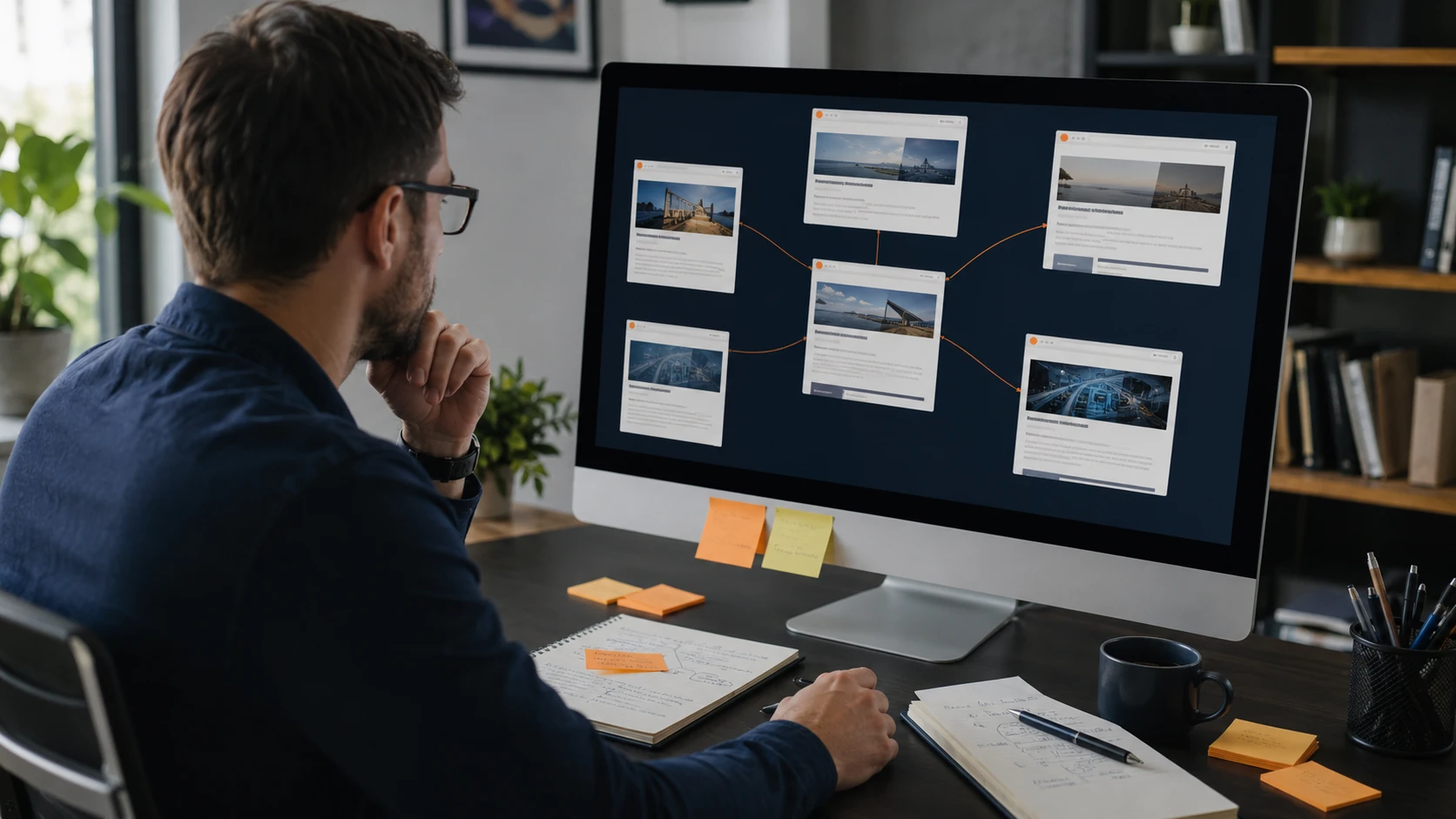
Quality Matters More Than Quantity
A useful link usually comes from a real website with an audience, relevant content, and editorial standards. The link should make sense to a reader even if search engines did not exist.
Avoid judging links by one third-party metric. Review the source, page quality, traffic, topical fit, anchor text, and whether the site appears built mainly to sell links.
Link Building Strategies That Create Value
Strong link acquisition often begins with something worth citing. Original research, practical guides, local resources, tools, expert commentary, and genuinely newsworthy company updates can attract attention.
Outreach should explain why a resource helps the recipient’s audience. Personalized messages and relevant targets perform better than mass emails asking for a link with no clear benefit.
- Create original data, research, or useful industry resources.
- Contribute expert insight to reputable publications.
- Earn local links through real partnerships and community involvement.
- Repair relevant broken links with a useful replacement.
- Promote strong content to writers and organizations that cover the topic.
The Role of Digital PR and Brand Mentions
Digital PR can earn coverage, links, referral traffic, and brand awareness when a company has a real story. Product launches, original research, community work, growth, and expert analysis may provide legitimate angles.
A mention without a link can still increase awareness. When a reputable publication references the company, it can support discovery even if the editor chooses not to link.
Common Link Building Risks
Buying large packages, using automated placements, exchanging links at scale, and publishing thin guest posts can create an unnatural pattern. These tactics may waste money or expose the site to search engine actions.
Anchor text should develop naturally. Repeating the same keyword-rich phrase across many backlinks can look manipulated and does not serve readers.
How to Measure Link Building
Track newly earned referring domains, relevance, referral visits, assisted conversions, visibility of the linked page, and the quality of relationships created. Separate lost links, duplicate links, and spam from meaningful growth.
Link building often supports results over time. Review it alongside content quality, technical health, and on-page SEO rather than treating links as a stand-alone shortcut.
Connect Links With Useful Content
A strong resource earns more attention when the site is fast, credible, and easy to navigate. MWD Web Design combines content, technical work, and SEO services to support sustainable visibility.
Match the Strategy to the Page
A homepage, service page, research report, and local resource attract different kinds of links. Decide which page needs authority and create an asset that publishers would naturally reference.
Deep links to useful resources can strengthen more than the homepage. Use internal links from those resources to help visitors discover related services without forcing commercial anchor text into outreach.
Maintain Earned Links Over Time
Useful links can disappear when publishers update content, change URLs, or redesign their sites. Monitor important links and politely contact the publisher when a relevant reference becomes broken.
Keep the linked resource current. Updating data, examples, and tools protects the reason the publisher cited it and gives the business a natural reason to promote it again.
Frequently Asked Questions
How Many Backlinks Does a Website Need?
There is no fixed number. The answer depends on the topic, competition, current authority, link quality, and the pages competing in search results.
Are Paid Links Allowed?
Search engines require paid or sponsored links to use appropriate qualification. Buying links to manipulate rankings can violate search engine spam policies.
How Long Does Link Building Take?
Earning strong links is an ongoing process. Results depend on the value of the content, outreach quality, industry, relationships, and competition.
Build Links Worth Earning
Sustainable link building starts with useful work and real relationships. Create resources people want to reference, promote them to relevant audiences, and measure quality instead of chasing raw totals.
About the Author
Patrick Mabarak is a seasoned digital marketing strategist and web design expert with over a decade of experience helping businesses enhance their online presence. Patrick specializes in integrating SEO best practices with user centered design to create websites that perform well in both search rankings and user engagement.
Learn more at patrickmabarak.com
