
Redesigning a website can significantly enhance a company’s digital presence. When executed properly, it strengthens brand awareness, boosts usability, and improves search engine visibility. However, neglecting crucial technical and strategic factors during a website redesign process can lead to serious issues that undermine the entire effort.
Many organizations concentrate mainly on refreshing the visual design of their site while overlooking foundational elements that impact performance such as content management, SEO, and user experience. This oversight can result in lost search rankings, decreased web traffic, and lower conversion rates, ultimately affecting the business’s bottom line.
Recognizing common pitfalls in site redesigns helps businesses avoid costly errors and ensures their new site outperforms the previous version in terms of usability, search engine rankings, and overall effectiveness.
The Most Common Website Redesign Mistakes
Website redesign projects often fail because key strategic elements are overlooked. Below are the most common mistakes businesses make when redesigning their websites.
11 Website Redesign Mistakes to Avoid
1. Not Redirecting Old URLs
One of the most damaging mistakes during a website redesign is failing to redirect old URLs to their new locations.
When pages change without proper redirects, search engines treat them as entirely new pages. This results in lost search rankings, broken links, and reduced traffic.
Implementing proper 301 redirects ensures link equity and search authority are preserved.
2. Removing High Performing Content
Many redesigns remove or alter pages that already perform well in search results.
Before making content changes, businesses should analyze their existing website performance to identify:
• Top ranking pages
• Pages generating organic traffic
• Pages with valuable backlinks
Preserving and improving these pages protects your search visibility.
3. Confusing Website Navigation
Confusing navigation is one of the fastest ways to frustrate users.
Visitors should be able to quickly understand how to move through the website and find information.
Navigation menus should be:
• Simple
• Logical
• Consistent across pages
Clear navigation also helps search engines understand site structure.
4. Slow Page Load Speeds
Slow websites drive visitors away and negatively affect search rankings.
Common causes include:
• Large unoptimized images
• Excessive scripts
• Poor hosting environments
Optimizing images, reducing unnecessary scripts, and leveraging caching technologies significantly improve performance.
5. Design That Doesn’t Work Well on Mobile Devices
Mobile devices now generate the majority of web traffic.
If a website is not mobile friendly, a large portion of users will have a poor experience.
Responsive web design ensures the website adapts to different screen sizes and devices.
6. Text That Is Hard to Read
Poor typography discourages users from engaging with content.
Common readability issues include:
• Small font sizes
• Low color contrast
• Difficult typefaces
Improving typography enhances accessibility and user engagement.
7. Overcrowded Page Layouts
Pages filled with excessive information can overwhelm visitors.
Effective website redesigns prioritize:
• Clear visual hierarchy
• Organized content sections
• Adequate white space
Clean layouts help users focus on important information.
8. Too Many Intrusive Pop Ups
Excessive pop-ups interrupt the user experience and increase bounce rates.
Pop-ups should be used sparingly and should always be easy to close.
9. Copying Content from Other Websites
Duplicating content harms SEO performance and weakens brand identity.
Search engines favor unique, original content that demonstrates expertise.
Creating original content also helps establish authority within your industry.
10. Ignoring Website Analytics During the Redesign
Analytics data provides valuable insights into user behavior.
Ignoring this information can lead to poor redesign decisions that negatively impact key pages.
Important metrics to analyze include:
• Organic traffic
• User engagement
• Conversion rates
• Page performance
Using data-driven insights ensures redesign decisions support business goals.
The New Website Redesign Mistake: Ignoring AI Search and LLM Visibility
A new and increasingly important mistake businesses make during website redesigns is failing to optimize for AI driven search systems.
Search engines are rapidly shifting toward AI generated answers, such as Google AI Overviews and conversational search tools.
Large language models including ChatGPT, Perplexity, and other AI platforms increasingly summarize website content directly within search results.
If your redesigned website is not structured properly for these systems, your content may not appear in AI generated responses.
This can result in reduced visibility even if your site ranks well in traditional search results.
Why AI Optimization Matters
Modern search engines no longer just rank pages. They extract information from websites to generate answers.
AI systems prioritize content that is:
• Clearly structured
• Well organized
• Authoritative
• Easy to summarize
Websites that fail to structure their content properly may be overlooked by AI systems.
How to Optimize Websites for AI Search
During a website redesign, several elements help ensure visibility within AI generated answers.
Key AI optimization strategies include:
• Structured content with clear headings
• FAQ sections answering common questions
• Schema structured data
• Entity based SEO
• Internal linking between related topics
• Clear topical authority
• LLM accessibility signals such as llms.txt
These elements help AI systems understand and reference your content.
AI Ready Website Redesign Checklist
Modern website redesigns must consider more than traditional SEO and design best practices. As search engines increasingly rely on artificial intelligence to generate answers and recommendations, websites must also be optimized for AI systems that analyze, summarize, and cite online content.
Quick AI Optimization Checklist
When redesigning a website, ensure the following elements are included:
• Clear page hierarchy using structured headings
• Strong internal linking between related pages
• Comprehensive content answering real user questions
• Structured data markup such as FAQ schema
• Fast page load speeds and optimized images
• Mobile friendly responsive design
• Consistent brand and topic entity signals
• Dedicated FAQ sections
• Updated XML sitemap submission
• Implementation of llms.txt
Websites that follow these practices are more likely to appear in AI generated answers and AI powered search summaries.
Tracking Performance After Launch
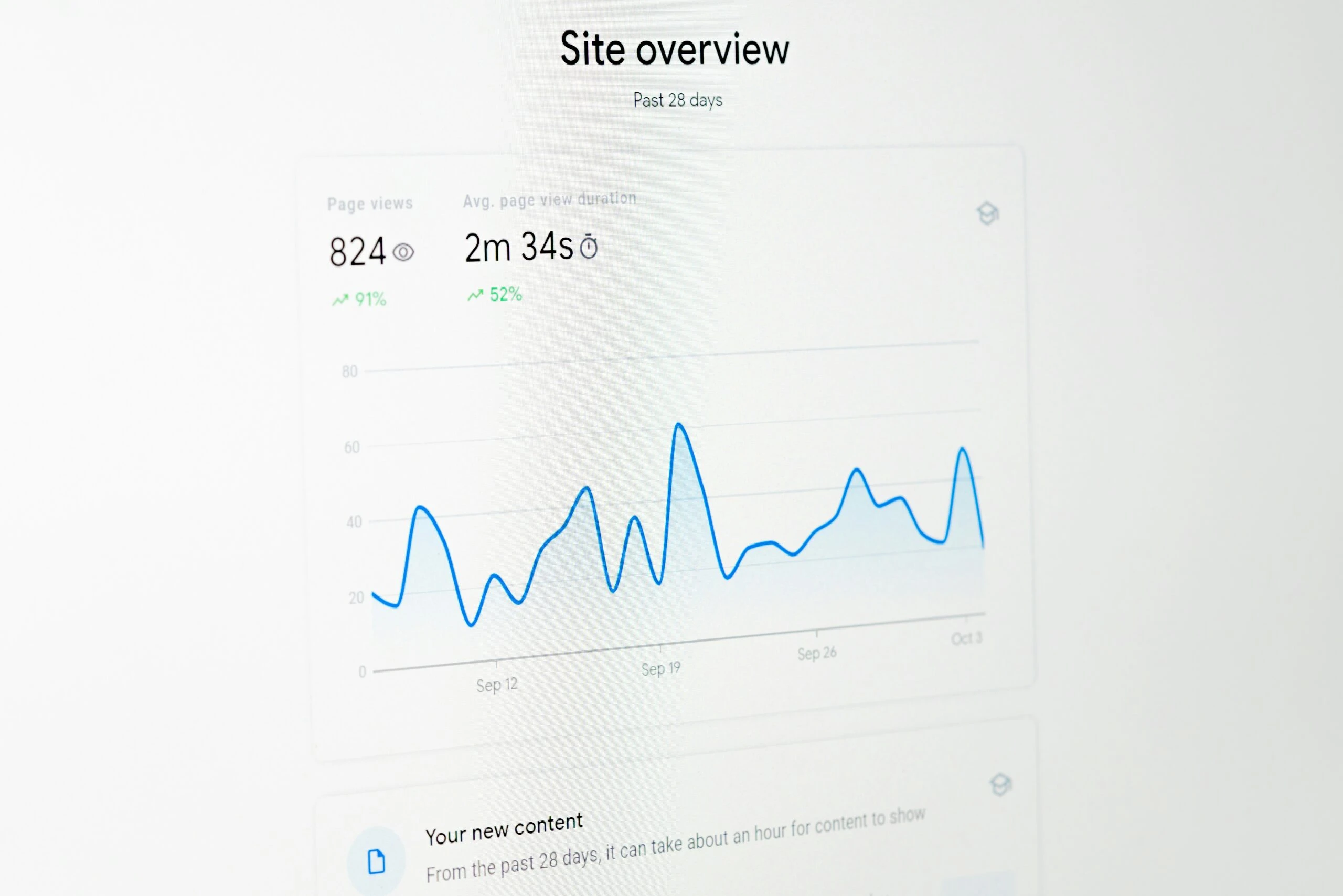
Launching a redesigned website is only the beginning.
Key performance metrics to monitor include:
• Organic search traffic
• Bounce rate
• Conversion rate and lead generation
• Page load speed and core web vitals
• User engagement behavior
Tools such as Google Analytics, Google Search Console, and Bing Webmaster Tools provide insights into visitor behavior and site health.
Heatmaps and session recordings can uncover usability issues not visible in traditional analytics.
The Importance of Strategy in Website Redesign
A successful website redesign goes far beyond visual updates.
It requires integrating:
• SEO optimization
• User experience design
• Content strategy
• Technical performance
• AI search visibility
When aligned, these elements transform the website into a powerful digital marketing tool that attracts visitors, builds trust, and generates leads.
Businesses that plan strategically often see measurable improvements in search rankings, engagement, and conversions.
Partner with Experts Who Understand Website Success
Redesigning without a clear strategy risks losing traffic and missing opportunities.
MWD Web Design specializes in building high performance websites that combine professional web design, SEO strategy, and modern AI search optimization.
By focusing on structure, speed, and user experience, businesses can launch websites designed for long term digital growth.
Ready to Transform Your Website?
Work with MWD Web Design to build a website that not only looks impressive but also drives traffic and conversions.
Our expert team will support you through every phase of the website redesign project to ensure lasting success.
Frequently Asked Questions
Why is SEO important during a website redesign?
SEO ensures your website maintains or improves its search engine rankings and preserves organic traffic.
How can I avoid losing backlinks during a redesign?
Implement proper 301 redirects from old URLs to new pages to preserve link equity and referral traffic.
What role does user experience play in website redesign?
User experience determines how easily visitors find information and complete desired actions.
How important is mobile responsiveness?
Responsive design is critical because the majority of web traffic now comes from mobile devices.
What should I track after launching a redesigned website?
Monitor organic search traffic, bounce rate, conversion rate, page load speed, and user engagement metrics.
About the Author
Patrick Mabarak is a seasoned digital marketing strategist and web design expert with over a decade of experience helping businesses enhance their online presence. Patrick specializes in integrating SEO best practices with user centered design to create websites that perform well in both search rankings and user engagement.
Learn more at patrickmabarak.com
