
Shopify user experience: make shopping tasks easier
Good Shopify user experience helps people find products, understand their options, and complete purchases with confidence. First, review the tasks shoppers need to finish. Then check navigation, product details, mobile layouts, and checkout. A useful design removes confusion, but it does not guarantee a particular sales result.
How Shopify user experience supports usability
Shopify UX design best practices enhance website usability by focusing on user-centric design principles that prioritize the needs and preferences of customers. Effective UX design ensures that users can navigate the site intuitively, find products easily, and complete purchases without frustration. Key elements include mobile optimization, which caters to the growing number of users shopping on their smartphones, and fast load times that prevent potential customers from abandoning the site. By implementing these practices, businesses can create a more engaging shopping experience that encourages repeat visits and higher conversion rates.
What Are the Core Principles of Effective Shopify User Interface Optimization?
Effective Shopify user interface optimization revolves around several core principles that enhance the overall user experience. These principles include:
- User-Centric Design: Prioritizing the needs and preferences of users ensures that the interface is intuitive and easy to navigate.
- Visual Hierarchy: Organizing content in a way that guides users’ attention to important elements, such as calls to action and product information.
- Accessibility: Ensuring that the website is usable for all individuals, including those with disabilities, by following accessibility guidelines.
By adhering to these principles, Shopify stores can create a more effective and enjoyable shopping experience for their customers.
Improve Shopify user experience with clear navigation
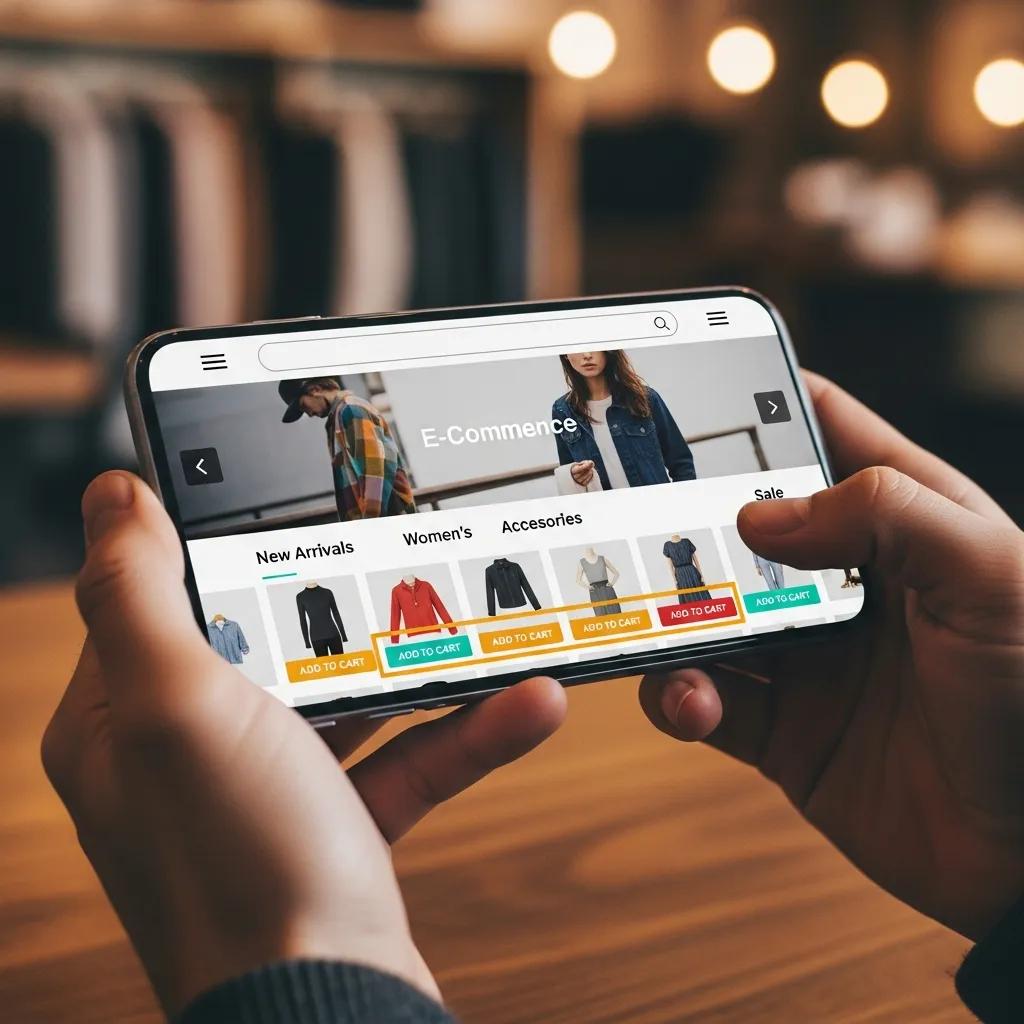
Seamless navigation is a critical component of user experience design that significantly impacts customer engagement and conversion rates. An intuitive navigation structure allows users to find products quickly and easily, reducing frustration and enhancing satisfaction. Key aspects of seamless navigation include:
- Clear Calls to Action: Strategically placed buttons and links that guide users toward desired actions, such as adding items to their cart or completing a purchase.
- Mobile-Friendly Design: Ensuring that navigation elements are easily accessible on mobile devices, where a significant portion of ecommerce traffic originates.
- Logical Menu Structure: Organizing products into categories that make sense to users, allowing them to browse efficiently.
By focusing on these elements, businesses can create a more engaging shopping experience that encourages users to explore and ultimately convert.
Which Shopify Store Design Tips Drive Higher Conversion Rate Optimization?
To drive higher conversion rates, Shopify store design should incorporate several effective tips:
Choose a theme by testing real shopping tasks. For example, check product options and collection filters with your actual catalog.
- Custom Theme Design: Utilizing a unique and visually appealing theme that reflects the brand’s identity can attract and retain customers.
- Streamlined Checkout Process: Simplifying the checkout process by minimizing the number of steps and offering guest checkout options can significantly reduce cart abandonment.
- Trust Signals: Displaying customer reviews, security badges, and clear return policies can build trust and encourage users to complete their purchases.
Together, these choices support Shopify user experience by helping shoppers understand what to do next.
How Can Checkout Flow Design Reduce Cart Abandonment?
Optimizing the checkout flow is essential for reducing cart abandonment rates, a common challenge faced by ecommerce businesses. Effective strategies for checkout flow design include:
- Single-Page Checkout: Allowing users to complete their purchase on a single page can streamline the process and reduce friction.
- Guest Checkout Option: Providing an option for users to check out without creating an account can lower barriers to purchase.
- Clear Progress Indicators: Displaying progress indicators during the checkout process helps users understand how many steps remain, reducing anxiety and encouraging completion.
By focusing on these strategies, businesses can create a more efficient checkout experience that minimizes cart abandonment.
What Role Does Mobile UX Optimization Play in Increasing Sales?
Mobile UX optimization plays a vital role in increasing sales for Shopify stores, as a significant portion of online shopping occurs on mobile devices. Key aspects of mobile optimization include:
- Responsive Design: Ensuring that the website adapts seamlessly to different screen sizes and orientations enhances usability for mobile users.
- Fast Load Times: Optimizing images and minimizing code can significantly improve load times, which is crucial for retaining mobile visitors.
- Intuitive Mobile Navigation: Simplifying navigation for mobile users, such as using collapsible menus, can enhance the overall shopping experience.
By prioritizing mobile UX optimization, businesses can tap into the growing mobile market and drive higher sales.
How Does Integrating Digital Marketing Services Amplify Shopify UX Impact?

Integrating digital marketing services with Shopify UX design can amplify the overall impact on user experience. Effective digital marketing strategies, such as SEO optimization and targeted advertising, can drive more relevant traffic to the site. This increased visibility can lead to higher engagement rates and conversions. Additionally, utilizing analytics tools to track user behavior can provide valuable insights into how customers interact with the site, allowing for continuous improvement of the user experience.
What Are the Benefits of Combining UX Design with Shopify Digital Marketing Services?
Combining UX design with Shopify digital marketing services offers several benefits, including:
- Improved Search Visibility: Optimizing the site for search engines can attract more organic traffic, enhancing the overall user experience.
- Enhanced User Engagement: Targeted marketing campaigns can draw in users who are more likely to convert, leading to a more engaged audience.
- Higher Conversion Rates: A well-designed user experience, coupled with effective marketing strategies, can significantly boost conversion rates.
This synergy between UX design and digital marketing creates a powerful framework for driving business growth.
How Can UX Improvements Support Lead Generation and Business Growth?
UX improvements can play a crucial role in supporting lead generation and overall business growth. By enhancing the user experience, businesses can increase customer satisfaction and loyalty, leading to repeat purchases and referrals. Key strategies for leveraging UX improvements include:
- SEO Best Practices: Implementing SEO strategies that enhance site visibility can attract more potential leads.
- User Engagement Metrics: Monitoring user engagement metrics, such as time on site and bounce rates, can provide insights into areas for improvement.
- Conversion Optimization: Continuously testing and optimizing the user experience can lead to higher conversion rates and increased revenue.
By focusing on these areas, businesses can create a more effective lead generation strategy that supports long-term growth.
What Metrics and Case Studies Demonstrate the Success of Great Shopify UX Design?
Several metrics and case studies illustrate the success of effective Shopify UX design. Key metrics to consider include:
- Conversion Rate: The percentage of visitors who complete a purchase, indicating the effectiveness of the user experience.
- Cost per Lead: The cost associated with acquiring a new lead, which can be reduced through improved UX.
- Lead-to-Customer Rate: The percentage of leads that convert into paying customers, reflecting the overall effectiveness of the sales funnel.
Case studies showcasing successful Shopify stores often highlight the impact of UX design on these metrics, demonstrating the tangible benefits of investing in user experience.
Which Conversion Metrics Best Reflect UX Design Effectiveness?
To measure the effectiveness of UX design, several conversion metrics are particularly relevant:
- Conversion Rate: This metric indicates the percentage of visitors who make a purchase, providing insight into the overall effectiveness of the user experience.
- Revenue Attributed to Website-Generated Leads: Tracking revenue generated from leads acquired through the website can help assess the impact of UX improvements.
- Engagement Metrics: Metrics such as average session duration and pages per session can provide valuable insights into user engagement and satisfaction.
By focusing on these metrics, businesses can gain a clearer understanding of how UX design influences conversion rates.
Test improvements before drawing conclusions
Compare a clear shopping task before and after a change. For example, ask someone to find a product, select an option, and locate delivery information. Record where they hesitate. Then use those observations to guide the next revision. Avoid claiming a sales increase without reliable evidence from your own store.
Build a Shopify user experience review checklist
First, test one complete journey on a phone. Start at a collection, open a product, choose an option, and review the cart. Next, repeat the task using a keyboard. Check that focus remains visible and that each field has a clear label.
Also read error messages and empty search results. For example, a useful error should explain what needs attention and how to correct it. Finally, retest after a theme or app update. Small interface changes can affect tasks that worked before.
About the Author
Patrick Mabarak is a seasoned digital marketing strategist and web design expert with over a decade of experience helping businesses enhance their online presence. Patrick specializes in integrating SEO best practices with user centered design to create websites that perform well in both search rankings and user engagement.
Learn more at patrickmabarak.com
